Delhi • From a Bengali Who Left Everything

"এটা শুধু পূজার গল্প নয় — এটা একটা সভ্যতার গল্প।"

The Complete
Bengal I
Left Behind

People think Bengalis outside Bengal only miss Durga Puja. They're wrong. We miss everything. The seasons, the sounds, the food, the adda, the football, the tram, the morning chai, the evening air, the language that lives in our blood — we miss an entire civilization that no other city can replace.

This is not a list. This is a map of everything a Bengali carries inside them — invisible, heavy, irreplaceable — when they step outside Bengal's borders. Posted in Delhi at ITDC, I'm writing down what I miss. All of it.

Read slowly. This is long.
০১
Chapter One

ষড়ঋতু — The Six Seasons
That Don't Exist in Delhi

Bengal is perhaps the only place in India that still marks six distinct seasons. Not summer-monsoon-winter. Six. Each one with its own food, its own music, its own poetry, its own colour. In Delhi, there are three: hot, hotter, and "accha ab thand lag rahi hai."

☀️

গ্রীষ্ম — Grishmo

April — May

The unbearable heat of Bengal has its own culture. Aam (mango) season — unripe green mango for aam dal, ripe ones for aam kasundi. The কালবৈশাখি ঝড় — the nor'wester that arrives like a furious guest, tears through the afternoon, and leaves the earth smelling of something ancient. Delhi has heat. But it doesn't have that storm — that beautiful, violent, theatrical storm that every Bengali child has watched from a window with racing heartbeat.

🌧️

বর্ষা — Barsha

June — August

Bengali monsoon is not rain — it's a personality. It hits tin roofs and creates a drum roll. It turns red mud into rivers in the lanes. It brings out khichuri and begun bhaja as if by genetic command. The sound of rain on a Kolhapuri chappal splashing through a flooded south Kolkata lane — you can't explain that to someone in Delhi. They have monsoon too. But Bengal's monsoon has a soundtrack. Tagore wrote about this rain. Nazrul wrote about this rain. The rain itself became literature.

🌾

শরৎ — Sharad

September — October

The season of শেফালি flowers and white clouds. The sky becomes a canvas — those thin, stretched, cotton-candy clouds that Bengal's autumn is famous for. কাশফুল blooms by the riverside. The air changes texture — it becomes softer, lighter, fragrant. This is the season Bengal dresses up for. Durga Puja arrives in this air. You can smell Sharad before you see it. In Delhi, October just means the temperature drops. No kash, no shefali, no cloud paintings in the sky.

🍂

হেমন্ত — Hemanto

October — November

The in-between season. Dew on the grass in the morning. The শিশির that makes the garden sparkle like someone threw diamond dust. Nolengur (date palm jaggery) season begins — the first hint of winter sweets. The light turns golden. Everything looks like it's been photographed through a warm filter. Hemanto is quiet. It doesn't announce itself. It just arrives — and suddenly the morning tea tastes different because the air touching your face is different.

❄️

শীত — Shhit

December — February

Bengal's winter is polite. It doesn't freeze you — it holds you. Morning walks in fog so thick you can't see the person ahead. The nolen gur revolution — patishapta, nolen gurer sandesh, payesh with liquid jaggery that smells of smoked caramel. The picnic culture — পিকনিক — where families carry aluminium containers of biryani to the nearest garden. Winter in Delhi is harsh, dry, mean. Bengal's winter is a warm blanket your grandmother knitted.

🌸

বসন্ত — Basanta

February — March

The season of পলাশ — flame-of-the-forest — trees that look like they're on fire. Basanta Utsav in Shantiniketan where students wear yellow and orange and dance under flowering trees. Holi in Bengal is not the violent Holi of North India — it's poetic, musical, restrained. Tagore turned Holi into an art form. আজি ধানের খেতে রবির রেখা চিল... — this song exists only because Bengal's spring demanded it. Delhi has spring, but it doesn't have Basanta.

০২
Chapter Two

শব্দ — The Sounds
That Don't Play in Delhi

The Tram Bell

কিংকিং কিংকিং — that specific metallic ring of the Kolkata tram. It's not just transport, it's a character. The tram moves through Kolkata like a slow, dignified old man who refuses to hurry. That bell sound is the heartbeat of north Kolkata. Delhi has Metro — fast, efficient, modern. But no one writes poetry about the Metro beep.

ঢাকের তাল — The Dhak Beat

The dhak doesn't just play — it enters your body. ধা ধিনা ধিনা ধা ধিনা — that rhythm starts slow and builds into something that makes your chest vibrate. It's not music you listen to with your ears. It's music you absorb through your skin. You can play a dhak recording in your Delhi flat — but without the pandal, without the crowd, without the incense mixing with that sound — it's just noise.

হকারের ডাক — Hawker Calls

"এই শাকসব্জি নিয়ে যাও, তাজা শাক!" — the vegetable hawker at 7 AM. "গরম গরম লুচি, আলুর দম!" — the luchi seller outside the pandal. "কাঁচা আম, কাঁচা আম!" — the mango seller in summer. These are not advertisements. They're music. They're the street orchestra of Bengal. Delhi has street vendors too — but they don't sing the way Bengali hawkers do.

শঙ্খধ্বনি — The Conch Shell

That sound at dusk — standing at the doorstep, blowing the shankh — it marks the transition from day to evening, from work to rest, from noise to peace. It's not religious for everyone. It's atmospheric. It's the sound that tells your nervous system: relax, you're home. In Delhi, dusk is just when the streetlights come on. No conch. No transition. Just one moment bleeding into the next.

নদীর জলের শব্দ — River Sound

Hooghly doesn't roar. It murmurs. It laps against the ghats with a lazy, brown, infinite patience. The sound of a boatman's oar cutting water. The sound of a launch horn from a distance. The sound of water hitting stone steps at বাবুঘাট. These sounds are Bengal's lullaby. Yamuna in Delhi exists — but it's silent, barricaded, hidden behind flyovers. It doesn't talk to you.

সন্ধ্যার রবীন্দ্রসংগীত

In a Bengali household, at a certain hour, someone somewhere is playing Rabindrasangeet. Not loudly — softly, from a phone or an old cassette player. "আমার প্রাণের মানুষ আছে প্রাণে..." That voice — whether it's Hemanta, Subhamita, or your own mother humming imperfectly — it fills the rooms of Bengal like furniture. In Delhi, evenings have silence. Or TV. Or traffic. But not that voice.

০৩
Chapter Three

খাবার — The Food
That Cannot Be Recreated

Bengali food is not cuisine. It's a thesis on emotion. Every dish carries a season, a memory, a person. You can find Bengali restaurants in Delhi. But you cannot find home in a restaurant.

🐟 ইলিশ — The Queen

Ilish is not a fish. It's a religion. ইলিশ ভাজা, ইলিশ পোলাও, ইলিশ মাছের ঝোল — each preparation is a different chapter. The debate: Patna ilish vs Padma ilish vs Bhagirathi ilish — this debate has ended friendships. In Delhi, you get ilish. It arrives frozen. It costs double. It tastes like a memory of ilish, not ilish itself. The oil that leaks from a perfectly fried ilish onto your plate — that oil mixed with rice is a Bengali's comfort food. You can't get that from a Swiggy order.

🍚 ভাত ও ঘুম — The Holy Trinity

Bhat (rice), ghum (sleep), and cha (tea) — the Bengali trinity. Post-lunch sleep is not laziness in Bengal — it's a constitutional right. The fan overhead, the afternoon heat, the full stomach, the newspaper half-read — that sleep is deeper than any meditation. Delhi corporate life doesn't allow this. You eat at your desk. You don't sleep. You open your laptop. The Bengali body was not designed for this.

🌿 শাক — The Green Universe

Bengalis have 50+ types of শাক (leafy greens). Lal shak, palong shak, kumro shak, methi shak, notey shak, lau shak — each with a distinct taste. Shobji in Bengal is not "sabzi." It's a分类. It's botany on a plate. শুক্তো — bitter gourd preparation — is an acquired taste that every Bengali acquires by force in childhood and craves by choice in adulthood. No Bengali restaurant outside Bengal serves 12 types of shak. They can't. The supply chain doesn't exist.

🍮 নবেন গুড় — Liquid Gold

নলেন গুড় — date palm jaggery — is available for barely 2-3 months in winter. In that window, Bengal goes mad. Patishapta, nolen gurer sandesh, payesh, gurer roshogolla — everything becomes nolen-gur-flavoured. This jaggery is liquid when fresh, smells of smoke and caramel, and tastes like winter itself. It cannot be exported. It cannot be preserved. It cannot be bought in Delhi after February. That exclusivity makes it the most precious substance in a Bengali kitchen.

☕ চা — Not "Chai"

Bengali cha is different from North Indian chai. It's lighter. It's made in a specific way — first the water boils with ginger-cardamom, then tea leaves, then milk — never milk first. The চায়ের দোকান (tea stall) in Bengal is an institution. It's where political debates happen, where marriages are arranged, where job vacancies are discussed. The "adda" lives in the tea stall. In Delhi, you get chai from a cart. It's fine. But it doesn't come with two hours of debate about Marx vs Amartya Sen.

🍰 মিষ্টি — The Art

Roshogolla, sandesh, chamcham, pantua, langcha, kheer kodom, darbesh, sarbhaja, monda — Bengal has 300+ types of sweets, each with a history, a geography, a maker's name. The sandesh of Krishnanagar is different from the sandesh of Shantiniketan. The roshogolla of KC Das is different from the one your neighbour makes. Every Bengali occasion — birth, death, exam result, guest arrival, guest departure — involves sweets. Delhi has halwai shops. Bengal has mishti dokan. There's a difference in soul.

🍗 মাংস — The Sunday Ritual

মাংস-ভাত (mutton rice) is not food. It's a Sunday ceremony. The mutton is cut into specific pieces — kosh (ribs), chipta (shoulder), gal (neck) — and every piece has a designated eater in the family. The gravy is cooked for hours. The potatoes in the mutton curry are sometimes fought over more than the meat. This ritual happens in Bengal every Sunday. In Delhi, Sunday means brunch at a café. It's fine. But it's not মাংস-ভাত.

🥘 পূজার ভোগ — Festival Food

Khichuri, labra, begun bhaja, papad, chutney, payesh — the অষ্টমী ভোগ plate is sacred. Every Bengali household makes this exact combination on Ashtami. The khichuri must be slightly runny. The labra must have at least 7 vegetables. The begun bhaja must be crispy outside, soft inside. You can eat this in a Delhi pandal — but the pandal khichuri is mass-produced. Your mother's Ashtami khichuri is one batch, made once a year, with hands that know your taste since birth. That's irreplaceable.

০৪
Chapter Four

পাড়া ও আড্ডা — The Neighbourhood
& The Art of Beautiful Time-Wasting

পাড়া — The Para

Bengal doesn't have "neighbourhoods." It has পাড়া — and a para is not a location, it's an identity. You don't say "I live in Lake Town." You say "আমি লেক টাউনের পাড়ায় থাকি" — and that para carries its own culture, its own characters, its own mythology.

Every para has: a মুদি দোকান (grocery) owner who knows your family for 3 generations. A কাকিমা who knows everything about everyone. A কাকা who fixes your cycle. A দাদা who taught you cricket. A মেস (mess) where 6 bachelors live and cook terrible food but laugh like kings.

In Delhi, you live in a flat. You know your neighbour's name — maybe. You nod in the elevator. That's not a para. That's co-existence. A para is family you didn't choose but can't live without.

আড্ডা — The Adda

The world calls it "small talk" or "hanging out." Bengal elevated it to an art form. Adda is not gossip. Adda is a philosophical inquiry that starts with "দেখলিস গতকাল ম্যাচটা?" and ends with "কিন্তু জীবনের মানে কী আসলে?"

An adda session covers: cricket → politics → cinema → literature → food → childhood memories → existential crisis — all in one sitting, all over multiple cups of tea, all without any agenda or conclusion. The point of adda is not to reach a point. The point is the talking itself.

In Delhi, conversations are efficient. "Bhai agenda kya hai?" In Bengal, if you ask the agenda of an adda, you've already committed a crime. Adda is the Bengali version of meditation — except instead of silence, it's sound. Beautiful, meandering, purposeless sound.

The Characters Every Bengali Para Has

👴 দাদু — The retired uncle who walks every morning and knows the history of every tree
🗣️ কাকিমা — The information bureau. Knows who went where, who earned what, who married whom
🏏 ক্রিকেট দাদা — The para's undisputed captain who still argues about 2003 World Cup
📻 রেডিও কাকা — Plays Rabindrasangeet every evening at exactly the same volume
০৫
Chapter Five

সংস্কৃতি — Literature, Music, Cinema
The Spine of Bengali Identity

সাহিত্য — Literature That Lives in Every Home

In Bengal, literature is not a subject. It's furniture. Every Bengali home — rich or poor, educated or not — has a bookshelf. Tagore is not a writer to Bengalis — he's an atmosphere. You grow up breathing his poems the way you breathe air. "যদি তোর ডাক শুনে কেউ না আসে, তবে একলা চলো রে" — this line is not read, it's absorbed by every Bengali child before they can understand it.

Beyond Tagore: সুকুমার রায় created Tuntuni and Rhymes that every child memorizes. শরৎচন্দ্র wrote about Bengali middle-class life with such precision that his characters feel like relatives. বিভূতিভূষণ wrote পথের পাঁচালি — a novel that can break you into pieces. জীবনানন্দ দাশ wrote poetry that makes you want to eat the moon. হুমায়ুন আহমেদ created a universe that an entire generation grew up inside.

In Delhi bookstores, the Bengali section — if it exists — is one shelf. In a Bengali home, the Bengali section is the entire house.

সংগীত — Five Streams of Sound

রবীন্দ্রসংগীত

2,200+ songs covering every human emotion. Birth, death, love, nature, devotion, patriotism — Tagore's songs are the emotional operating system of Bengal. Every Bengali knows at least 50 by heart — not because they studied them, but because they inhaled them.

নজরুলগীতি

Nazrul's music is rebellion set to melody. "বল বীর বল উন্নত মম শির" — this is not a song. It's a war cry. Nazrul gave Bengal its spine. When you miss Bengal, sometimes you don't miss a place — you miss the song that place taught you.

বাউল সংগীত

The mystic folk music of Bengal. লালন ফকির sang about the human body as the universe, about love as the only religion. Baul music doesn't need instruments — it needs a naked soul. In Shantiniketan's পৌষ মেলা, you hear Baul singers at dawn and it changes something inside you permanently.

আধুনিক ও জনপ্রিয়

Modern Bengali music — from মান্না দে to অঞ্জন দত্ত to today's indie scene. The ব্যান্ড culture: Mohiner Ghoraguli, Fossils, Chandrabindoo — bands that sang about everyday Bengal in everyday language and made it poetic.

চলচ্চিত্র — Cinema Beyond Satyajit Ray

Yes, Satyajit Ray is God. Pather Panchali alone is enough to prove that Bengal created cinema's highest form. But Bengal's cinema is not just Ray. Ritwik Ghatak made films that feel like fever dreams about partition. Mrinal Sen made political cinema that didn't preach — it provoked. Tapan Sinha told human stories with surgical precision.

And then there's commercial Bengali cinemaপ্রসেনজিৎ, দেব, জিৎ, অঙ্কুশ — the Durga Puja releases that every Bengali watches in crowded theatres with family. The masala Bengali film with its song-dance-comedy-drama is also Bengal. It's the popcorn version of high art — and it's equally loved.

In Delhi, you can watch Bengali films on Netflix. But watching হাসিবাসির গল্প alone in your flat is not the same as watching it with 200 Bengalis laughing together in a Kolkata theatre during Puja. Cinema, for Bengalis, is a collective experience.

শিল্প — Art, Craft & Textile

বাটিক & কান্থা

Bengal's Batik work and Kantha embroidery — where grandmothers turn old saris into art with just a needle and thread. Each Kantha stitch carries a story.

টেরাকোটা

The terracotta temples of Bishnupur — entire temples covered in clay reliefs telling stories of Ramayana and Mahabharata. Art made from earth, returning to earth.

বালুচরি ও তাঁত

Baluchari saris with their woven mythological scenes. The handloom traditions of Bengal — Shantipuri, Tangail, Dhakai Jamdani — each village, each weaver family with their own signature pattern.

০৬
Chapter Six

জায়গা — The Places
That Live Inside You

Shantiniketan

শান্তিনিকেতন — Shantiniketan

Tagore's university under trees. Where classrooms have no walls. Where পৌষ মেলা happens every winter — the fair of folk art, Baul music, and Bengali creativity at its rawest. The red soil of Shantiniketan is different from any other soil. It gets under your feet, under your skin, under your soul. Shantiniketan is not a place — it's a state of mind that Tagore designed and Bengalis inherited.

Sundarbans

সুন্দরবন — The Sundarbans

Where the river meets the sea and the forest walks on water. The largest mangrove forest on earth — Royal Bengal Tiger's kingdom. The honey collectors (মৌলি) who risk their lives. The boat rides through silent, dark waterways where you feel like the forest is watching you. Sundarbans is Bengal's wild heart — untamed, dangerous, beautiful.

Darjeeling

দার্জিলিং — Darjeeling Hills

Bengal's gift from the Himalayas. Tea gardens that look like green carpets laid on mountains. The toy train. Kanchenjunga visible on clear mornings like a white dream. For every Bengali, Darjeeling is the default honeymoon, the default school trip, the default "I need to escape heat" destination. "দার্জিলিং চলো" is possibly the most uttered Bengali travel phrase.

Kolkata

কলকাতা — The City Itself

Howrah Bridge at dawn. Victoria Memorial in the afternoon golden light. Park Street on Christmas Eve. মেডিকেল কলেজের পাড়া. Southern Avenue's bookstores. College Street's বই পাড়া — the world's largest second-hand book market. Kolkata is not beautiful in the Dubai way. It's beautiful in the grandmother way — wrinkled, warm, full of stories, slightly crumbling but dignified.

Bishnupur

বিষ্ণুপুর — Bishnupur

Terracotta temples from the 17th century. Baluchari sarees. The mallabhum kingdom's artistic legacy. Most Indians haven't heard of Bishnupur. Every Bengali schoolchild has. It's in the textbook — but seeing it in person is different. Those clay panels telling Ramayana stories — they're not artifacts. They're a civilization whispering through earth.

Murshidabad

মুর্শিদাবাদ — Murshidabad

হazarduari Palace — thousand doors. The Nawab era architecture. The battlefield of Plassey where Bengal's fate was decided in 1757. Murshidabad is where history becomes tangible — you can touch the walls where decisions were made that changed the subcontinent. Every Bengali carries Plassey as a wound.

০৭
Chapter Seven

ফুটবল — The Religion
Before Cricket Took Over

Before IPL, before Dhoni, before 1983 — Bengal breathed football. The Mohun Bagan vs East Bengal derby is not a match. It's a war. Red-and-gold vs Red-and-silver. The entire city divides. Families divide. Marriages have been called off over club loyalty. This is not exaggeration — this is documented Bengali reality.

১৯১১ — Mohun Bagan defeated a British team (East Yorkshire Regiment) to win the IFA Shield. A barefoot team beat the colonizers. This happened 36 years before independence. For Bengalis, this wasn't just football — this was anti-colonial resistance played on grass.

The Football in Bengal means: পাড়ার ময়দান (neighbourhood ground) where every evening 20 kids play with a ₹20 ball until it bursts. It means going to the stadium — the salt lake stadium, the giant cauldron of noise — and feeling your chest vibrate when 80,000 people scream. It means the "মাঠের খেলা" — street football — where rules are made up, fights break out, and friendships are sealed.

In Delhi, everyone talks about cricket. I miss a city where someone might still say, "তুই ইস্টবেঙ্গল নাকি মোহনবাগান?" and wait for your answer like it defines your character.

০৮
Chapter Eight

দৈনন্দিন — The Daily Life
Small Things That Don't Exist Outside

📰 সকালের খবর

The morning newspaper ritual. আনন্দবাজার পত্রিকা or দ্য স্টেটসম্যান — unfolded on the breakfast table. The grandfather reading the editorial. The father checking the sports page. The mother reading the classifieds. This ritual is sacred. In Delhi, news comes on a phone screen at the Metro station. It's not the same.

🎒 স্কুলের রুটিন

Bengali school mornings have a specific texture. The white-blue uniform. The tiffin box with paratha or luchi. The autowallah who knows every child by name. The প্রার্থনা (assembly prayer) — often a Tagore song. Walking to school in a group, stopping at the panipuri stall. Delhi schools are fine. But they don't have that Bangla-medium morning assembly sound.

🚲 সাইকেল

Every Bengali boy's first vehicle: a Hero Ranger or Atlas cycle. Riding through para lanes. The bell. The speed breaker. The puncture. The local mechanic who fixes it for ₹10. Cycling in Bengal is not transport — it's freedom. In Delhi, you drive a car or take the Metro. The cycle is gone. With it, a certain kind of boyhood is gone.

🛺 হ্যান্ড-পুলড রিকশা

The hand-pulled rickshaw of Kolkata — a UNESCO-intangible heritage that still exists. The rickshawala running barefoot in rain. The bell. The small ride from metro to home. It's uncomfortable, slow, and morally complex — but it's Kolkata's soul on wheels. Delhi has e-rickshaws. Efficient, electric, soulless.

📝 পরীক্ষার আগের রাত

The night before exams in a Bengali household has a specific energy. মা জোড়া করে দিচ্ছেন — mother pressing your feet while you study at 2 AM. The specific tension of a Bengali exam — because Bengali parents don't just expect you to pass, they expect you to understand. The post-exam analysis with friends that lasts longer than the exam itself.

🏡 ছাদ — The Rooftop

Bengali houses have ছাদ (rooftop) — and the rooftop is a room without walls. Evening chai on the rooftop. Kite flying in spring. Drying mango pickles in summer. Watching the monsoon clouds gather. Sleeping on the rooftop in winter under a blanket of stars. The rooftop is where Bengalis do their best thinking. Delhi flats have terraces — but they feel like parking lots compared to a Bengali rooftop.

🎭 যাত্রা

যাত্রা — Bengal's folk theatre. The four-hour-long overnight performances with elaborate makeup, loud music, and mythological stories. The audience sitting on the ground, eating peanuts, gasping at plot twists. Jatra is not "theatre" — it's community entertainment that predates Netflix by centuries. You can't find Jatra in Delhi. You can find it in every Bengal village.

💍 বিয়ে — Bengali Wedding

A Bengali wedding is a 7-day production: আশীর্বাদ, গায়ে হলুদ, সংগীত, বিয়ে, বসর ঘর — each with specific rituals, specific food, specific songs. The uludhwani (উলুধ্বনি) — that sound Bengali women make by rolling their tongues — it's not noise, it's power. In Delhi, Bengali weddings happen in banquets — sanitized, shortened, packaged. The real one happens in a Bengal courtyard with a thousand relatives and no AC.

🌅 সন্ধ্যা — The Evening

Bengali evening has a specific colour. The sky turns a shade of orange-pink that painters have tried to capture for centuries. The shankh blows. The lights come on. The smell of evening cooking drifts through the para. Someone plays Rabindrasangeet. The street vendors set up. This evening doesn't exist in Delhi. Delhi's evening is traffic turning into more traffic, then darkness.

০৯
Chapter Nine

উৎসব — All the Festivals
(Not Just Puja)

দুর্গাপূজা — The Shardiya Festival

The Soul of Bengal • Sept-Oct
UNTOUCHABLE EMOTION

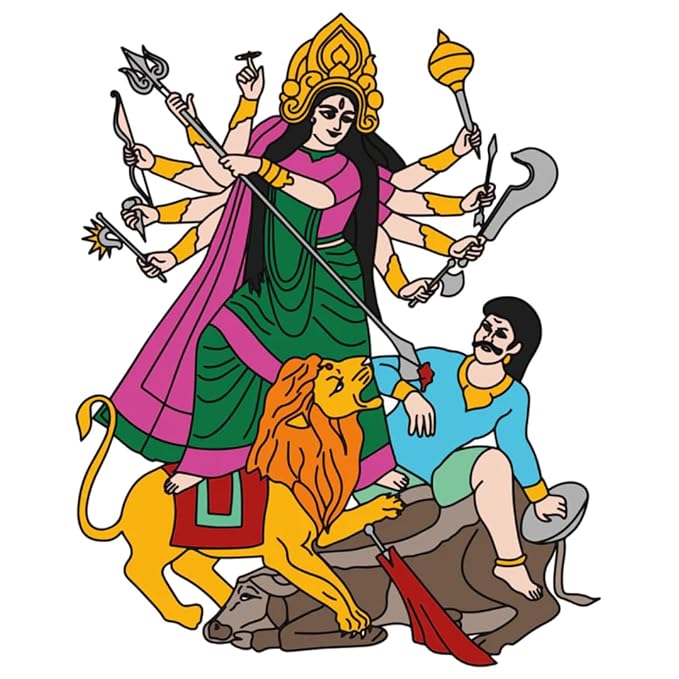
Durga Puja is not just a "festival" in Bengal. It is a complete emotional universe. It begins with the voice of Birendra Krishna Bhadra on Mahalaya dawn and ends with the quiet heartbreak of Dashami. For five days, Bengal stops being a state and becomes a living, breathing art gallery.

মহালয়া ও ষষ্ঠী

It starts with the radio at 4 AM. Then Shashti arrives — Bodhon, the awakening. The Goddess has reached her father's home. The sound of Dhak begins.

অষ্টমীর অঞ্জলি

The peak. Thousands in new clothes, empty stomachs, chanting "ইয়া দেবী সর্বভূতেষু" while holding bel-pata. The air smells of incense and hope.

সন্ধিপূজা

The most intense 48 minutes between Ashtami and Navami. 108 lamps lit. 108 lotuses offered. The dhak reaches a fever pitch that vibrates in your heart.

মহাসপ্তমী ও নবমী

The days of full celebration. Pandal hopping, the dhunuchi dance, the street food, the meeting of long-lost friends beneath the giant idols.

বিজয়া দশমী

The departure. Sindur Khela where women smear vermilion. The immersion. It ends with "আসছে বছর আবার হবে" — the promise that she will return.

বিসর্জন ও শান্তিজল

As the idol enters the water, a specific silence falls over Bengal. The elders' blessings, the distribution of sweets, the strength to survive the next 360 days.

🟡

পয়লা বৈশাখ

Bengali New Year • April 14

Alpana on the floor. New clothes. Processions with রবীন্দ্রসংগীত. The specific breakfast: পান্তা ভাত (leftover rice soaked in water) with ilish mach and green chili. In Delhi, April 14 is just another Tuesday. No alpana. No procession. No one knows what Panta Bhat is.

📚

সরস্বতী পূজা

Goddess of Learning • January-February

The yellow saree, the books placed at Ma Saraswati's feet, the "হে শারদে মা" prayer. School children in yellow. No studying on this day — the only day Bengali students are ordered NOT to study. The anjali, the prasad, the afternoon cultural program. In Delhi, it's a working day.

🔥

কালী পূজা

Goddess Kali • October-November

Durga Puja is beautiful. Kali Puja is intense. The dark goddess, the tantric rituals, the জাগরণ (night-long vigil). The firecrackers of Kali Puja are different from Diwali — they're louder, wilder, more chaotic. Bengal's Kali Puja coincides with Diwali, but it's a completely different energy. In Delhi, it's just Diwali.

🎄

কলকাতার বড়দিন

Christmas in Kolkata • December 25

Kolkata's Park Street on Christmas Eve is legendary. The lights, the cakes from Flurys and Nahoum's, the midnight mass at St. Paul's Cathedral. This is not a Christian festival adopted by Bengalis — this is a Kolkata festival that belongs to everyone. Muslim families buying Christmas cake is normal in Kolkata. In Delhi, Christmas is a mall decoration.

🎇

লক্ষ্মী পূজা

Goddess of Wealth • Full moon of October

The আলপনা (rice paste design) on the floor — a specific Lakshmi alpana that looks like a footprint pattern. The evening puja. The khichuri-begun bhaja combo again (because every Bengali puja eventually leads to khichuri). In Delhi, no one knows Lakshmi Puja exists as a separate festival.

🎪

পৌষ মেলা

Shantiniketan Fair • December

The winter fair at Shantiniketan — Baul singers at dawn, handicrafts, folk art, Bengali folk dance. It's where Bengal's rural soul meets its artistic soul. The cold December morning, the fog, the sound of ektara — this is Bengal's most beautiful festival that no one outside Bengal knows about.

🚣

বৈশাখী মেলা

Ganga Sagar Mela & More

গঙ্গাসাগর মেলা — where the Ganga meets the Bay of Bengal. Millions of pilgrims. The boat rides. The mela energy that only Bengal can produce. Beyond this: জন্মাষ্টমী (রথযাত্রা in Puri, but celebrated across Bengal), জুম্মা নামাজ at the beautiful mosques of Bengal, Christmas at Bandel Church — Bengal celebrates everything.

👫

ভাইফোঁটা & জামাইষষ্ঠী

Family Bonding Rituals

ভাইফোঁটা — where sisters mark brothers' foreheads. জামাইষষ্ঠী — where the son-in-law is fed like a king (a full Bengali meal course by course, with playful teasing from relatives). These are not "rituals" — they're family theatre. In Delhi, you WhatsApp on Bhai Dooj. It's not the same as sitting on the floor with a thali and your sister painting a tilak on your forehead while your cousins laugh.

১০
Chapter Ten

ফোন কল — The Call
That Says Everything

অষ্টমীর সকাল, দিল্লি থেকে বাংলায়

মা ফোন করেছেন। সকাল ছ'টা। দিল্লির আকাশ ধূসর। কলকাতার আকাশে এখন শারদীয় মেঘ।

"তুই কি আজ অঞ্জলি দিলি?"

"হ্যাঁ মা, দিলাম।"

I haven't. I lit a diya in my room last night. Closed my eyes. Tried to feel the dhak. But a diya in a Delhi flat doesn't sound the same without the echo of a pandal, without the smell of bel pata, without a cousin pulling your hand saying "chol chhutчатি ache".

"আমরা সবাই মন্দিরে গেছি। তোর বাবা নতুন ধুতি পরেছে। তোর বোন শাড়ি পরেছে। খুড়তুতো মা এসেছেন, তোর মেসোমশাইও এসেছে। সবাই তোর কথা বলছিল..."

She's not asking me to come. She knows I can't — files are pending, there's a review meeting. She's not complaining. She's just including me. In her mind, I'm standing there. In the anjali queue. In new clothes. With them.

And that's what breaks you. Not absence. Not distance. It's when someone loves you so much that they pretend you're not missing.

"কাল নবমীতে কী রান্না হবে জানিস? তোর বাবা বলছে কষা মাংস করবে..."

I know what kosha mangsho tastes like. I've been eating it for 25 years. But today, in this Delhi flat, hearing about it on a phone feels like listening to a description of water while you're thirsty.

You hang up. You sit quietly for two minutes. You open your laptop. There's a meeting at 10. The Delhi sky remains indifferent. The files remain pending. And somewhere inside you, a dhak keeps playing that no one else can hear.

১১
Chapter Eleven

কেন বাঙালি বাইরে থাকতে পারে না

Now you've read everything. Now the answer makes sense.

It's not just the food. Not just the festivals. Not just the language. Not just the seasons. Not just the music. Not just the football. Not just the para. Not just the rivers.

It's all of it together.

Bengal is not a state. It's not even a culture. It's an ecosystem. And ecosystems don't survive when you remove them from their soil. You can take a mangrove tree and plant it in a desert — it might live for a while, but it will never thrive. Because a mangrove doesn't just need water and sunlight. It needs the specific salt in that specific river. It needs the specific mud. It needs the specific tide pattern.

A Bengali outside Bengal is a mangrove in a desert. Alive, but not thriving. Surviving, but not living. Present, but not home.

We don't miss one thing. We miss the overlap. The way Rabindrasangeet sounds at dusk during monsoon. The way ilish tastes on a Sunday morning in winter. The way the para smells during Durga Puja — incense and flowers and cooking and rain and earth — all at once. The way adda feels when it's 2 AM and you're sitting on a rooftop and someone starts singing and no one stops them.

You can't replicate the overlap. You can get Bengali food in Delhi. You can play Rabindrasangeet on YouTube. You can attend a CR Park puja. But you can't get all of it at the same time, in the same air, with the same people. And that simultaneous experience — that total immersion — is what Bengal is.

"বাঙালি বাইরে থাকতে পারে না কারণ — বাংলা একটা জায়গা নয়, বাংলা একটা অনুভূতির সমাবেশ। সেই সমাবেশ কোথাও অন্যত্র ঘটে না।"

প্রিয়

প্রিয় বাংলা,

তোমাকে চিঠি লেখার কোনো মানে নেই। চিঠি তো সে লেখে যে দূরে আছে। আর আমি — আমি কি সত্যিই তোমার থেকে দূরে?

দিল্লিতে বসে আমি তোমাকে ভাবি — এই শহরে কিছুই নেই যা তুমি দিতে পারো না। কিন্তু কিছুই নেই যা তুমি দিয়েছিলে, এখানে পাওয়া যায়।

আমি তোমার ষড়ঋতু মিস করি না — আমি সেই ত্বকের অনুভূতি মিস করি যখন ঋতু বদলায়। আমি তোমার খাবার মিস করি না — আমি মায়ের হাতের স্পর্শ মিস করি যেটা খাবারে থাকে। আমি তোমার গান মিস করি না — আমি সেই নীরবতা মিস করি যেটা গানের পরে আসে। আমি তোমার পূজা মিস করি না — আমি পূজার মধ্যরাতের প্যান্ডাল ঘোরা মিস করি বন্ধুদের সাথে।

তুমি আমাকে একটা জিনিস দিয়েছ যেটা কোনো অন্য রাজ্য দিতে পারবে না — একটা সম্পূর্ণ আত্ম-পরিচয়। আমি যেখানেই যাই — অফিসে, দিল্লির রাস্তায়, একটা মিটিংয়ে — ভেতরে একটা বাঙালি বসে আছে, সব দেখছে, সব বুঝছে, কিন্তু কথা বলছে না। কারণ কথা বললে কেউ বুঝবে না।

বাংলা, তোমার একটা ছেলে দিল্লিতে বসে CMA পাশ করেছে। ITDC-তে অ্যাসিস্ট্যান্ট ম্যানেজার হয়েছে। সবাই বলে ভালো হয়েছে। আমিও বলি ভালো হয়েছে। কিন্তু ভালো হওয়া আর সুখী হওয়া — এক জিনিস নয়। তুমি এটা জানো।

তোমার একটা ছেলে,
মিলন।

দিল্লি থেকে। একটা সাধারণ সকালে। ফাইলের মাঝে। ভেতরে ঢাকের শব্দ।

Yet We Carry On

I'll go to office tomorrow. I'll clear the files. I'll attend the meetings. I'll do my job with sincerity. Because that discipline is also Bengali. বাঙালি পরিশ্রম করতে জানে। বাঙালি দায়িত্ব বুঝতে পারে।

But I'll also keep a diya. Play Rabindrasangeet when no one's listening. Cook khichuri on Ashtami even if it's terrible. Call home and pretend I'm fine. And my mother will pretend she believes me. And that beautiful Bengali lie will hold us together across fifteen hundred kilometres.

If you're a Bengali reading this from any city that is not Bengal — I see you. I know the shape of your silence. I know your YouTube search history at midnight. I know the specific loneliness of missing a place, not a person.

You're not weak. You're not less ambitious. You're just human and Bengali — and both demand that you feel everything, deeply, all the time, forever.

"বাংলা ছেড়ে বাঙালি বাঁচে — কিন্তু বাঁচে ঠিক সেভাবে যেভাবে নদী বাঁচে বাঁধ হয়ে। বয়ে যায়, কিন্তু বাঁধা।"

A Bengali survives outside Bengal — but like a river behind a dam. Flowing, but restrained.

If this page made you feel something — share it with a Bengali who's far from home.

They probably won't say anything. But they'll read it twice. And then call home.